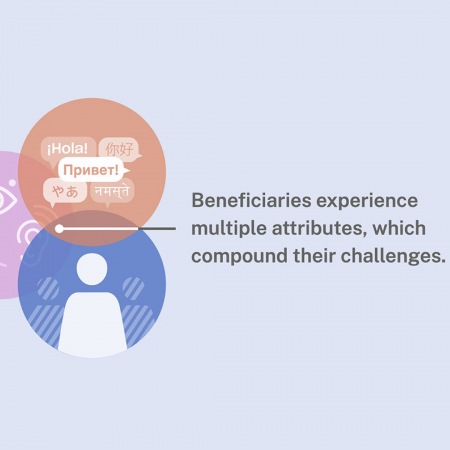
Building an AI-powered tool to improve SNAP notices.
Explore our case studies for a deep dive into how we conduct projects.
We believe in making our work open and public. We deliberately work across policy areas and jurisdictions, allowing us to develop cross-agency solutions that better serve the public where they are.
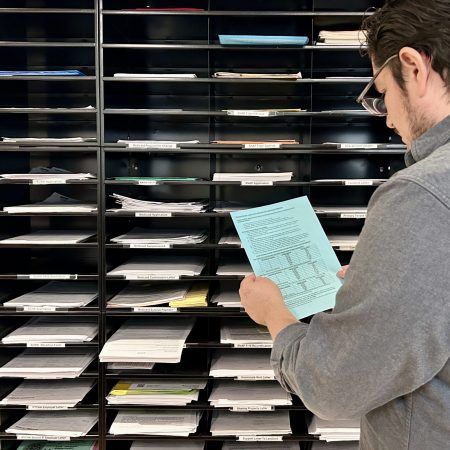
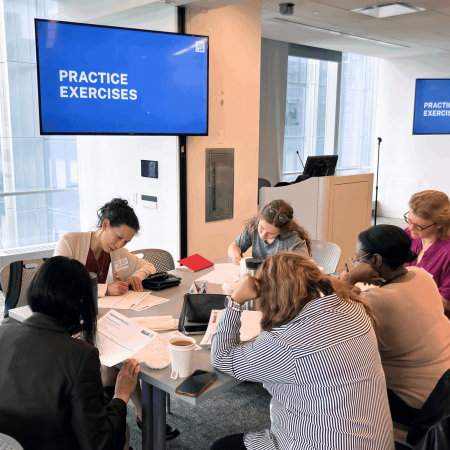
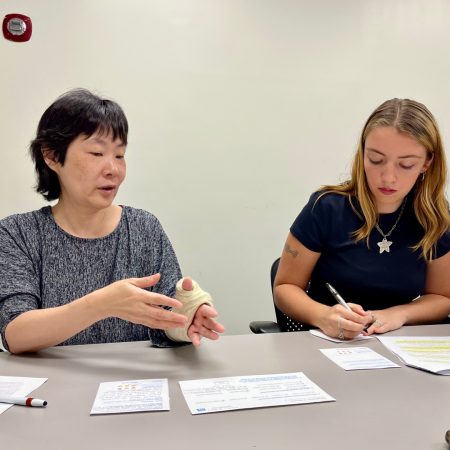
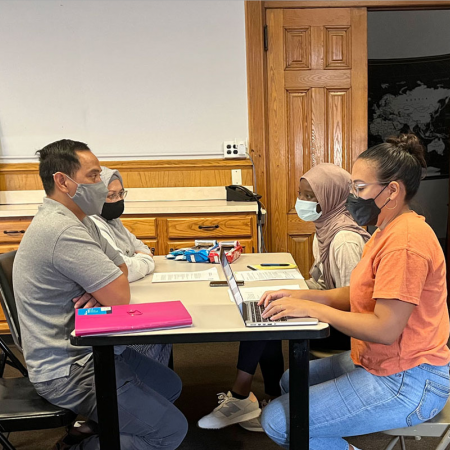
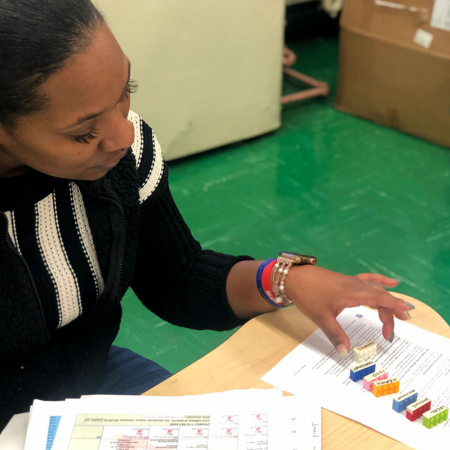
Building an AI-powered tool to improve SNAP notices.
Elevating patient perspectives to guide equitable AI integration in primary care.
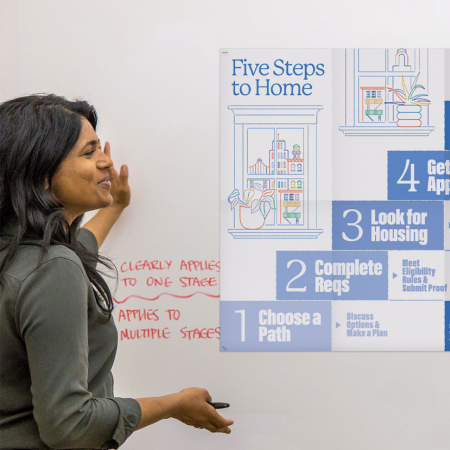
Designing civil court forms to improve usability and court access for Michiganders.
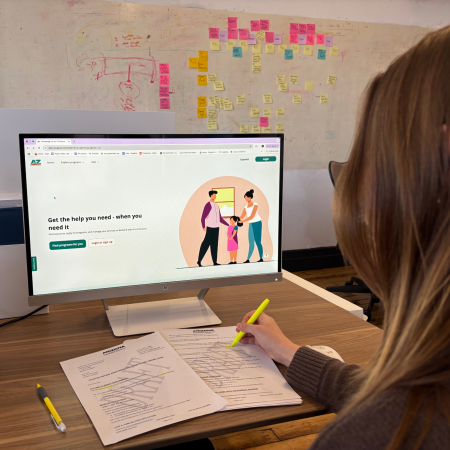
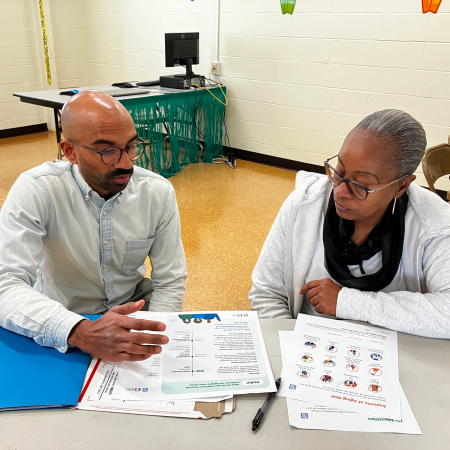
Modernizing public benefit notices to improve clarity and efficiency for Arizonans.
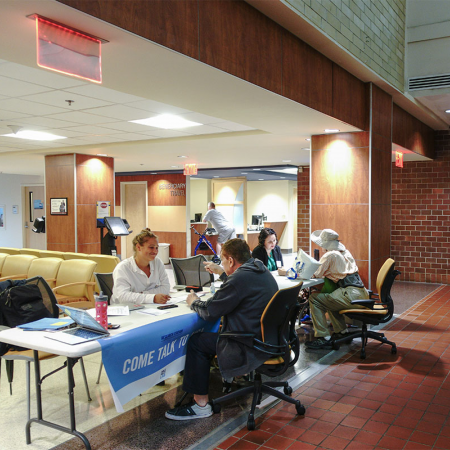
Expanding a NYC document sharing tool to help residents experiencing homelessness.
Investigating how people use digital identity tools to access public benefits.
Investigating how families and doctors communicate about childhood vaccine safety.
Developing a unified housing application for public housing agencies nationwide.
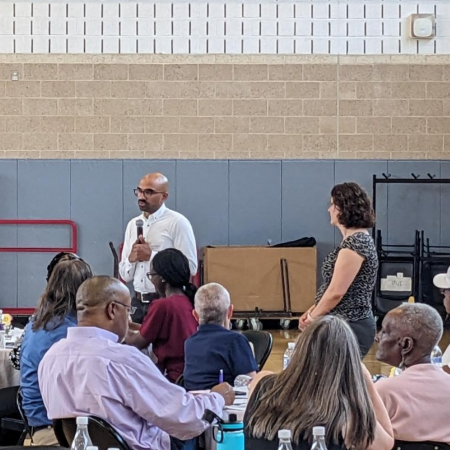
Building a public platform to help policymakers incorporate the needs of older Americans.
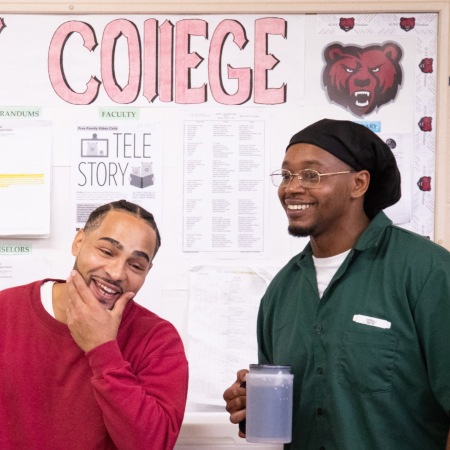
Strengthening education pathways for formerly incarcerated students in NYC.
Collecting first-hand insights to build an evidence base on the value of nonmedical benefits.
Helping policymakers understand older adults’ first-hand experiences.
Assisting families in the NYC child-welfare system to achieve economic stability.
Partnering with NYC’s Service Design Studio to improve human-centered methods.
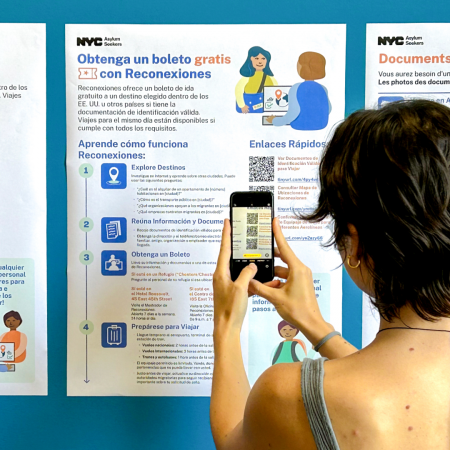
Improving NYC’s asylum seeker reticketing process to help people find long-term housing.
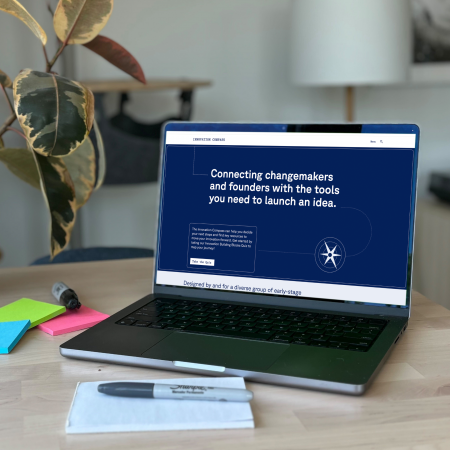
Supporting undercapitalized STEM innovators in navigating the start-up ecosystem.
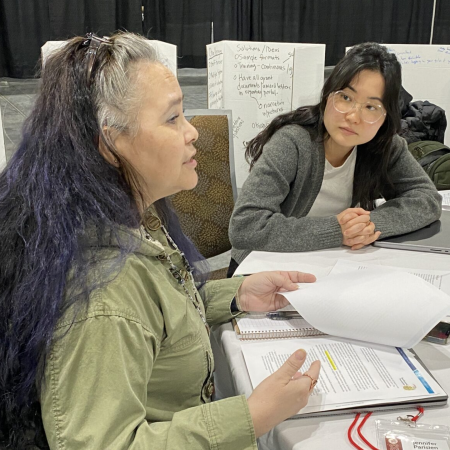
Improving fiscal reporting for Tribal communities in under-resourced areas.
Improving referral pathways to reduce child abuse reports and connect families to services.
Designing a new program to help unstably housed NYC youth rent apartments.
Expanding culturally responsive mental health services for NYC foster youth.
Improving the NYC Housing Choice Voucher experience for tenants and owners.
Hearing domestic-violence survivors’ needs around story collection and data sharing.
Launching a coalition of NYC mental health and criminal justice organizations.
Investigating digital needs to help NYC libraries provide free internet access.
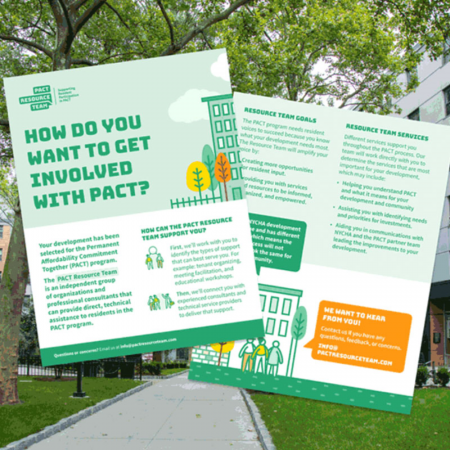
Branding a fund to help NYCHA residents manage housing upgrades.
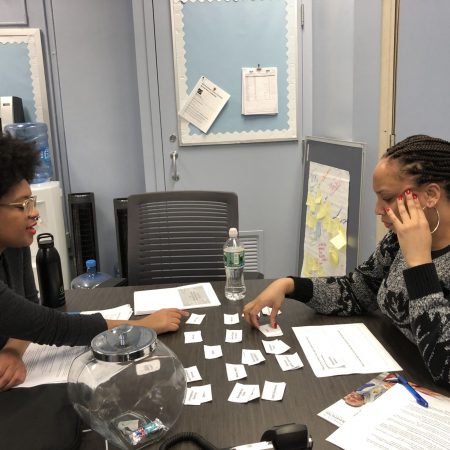
Improving coordination between shelters and schools to reduce student absenteeism.
Investigating Medicare beneficiary decision-making for vulnerable populations.
Collecting first-hand insights from new families to improve federal support services.
Improving how NYC families connect with mental health services.
Improving how Americans facing unexpected financial challenges access services.
Improving access to healthcare and digital services for Kaiser members.
Improving low-income families’ access to free tax prep and the Child Tax Credit.
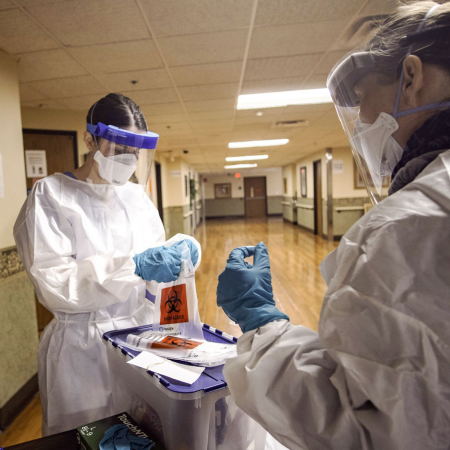
Improving infection-control training for healthcare workers.
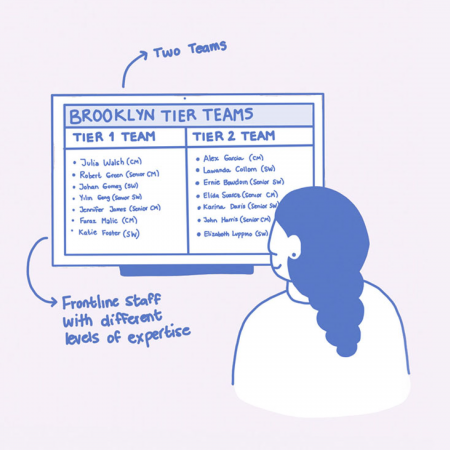
Streamlining operations with a rapidly growing social-work team serving justice-involved people.
Improving shelter operations to connect more New Yorkers with permanent housing.
Optimizing NYCHA’s work schedules to improve service and reduce costs.
Creating new staff tools and workflows to help students in temporary housing.
Streamlining interagency collaboration to support students facing homelessness.
Connecting NYC families with public benefits through their children’s schools.
Helping NYC small businesses and BIDs improve accessibility compliance.
Designing a peer-driven model to help 100Kin10 members share knowledge.
Helping NYC’s child welfare agency improve their change management process.
Exploring how shelter programs can reduce intimate-partner violence.
Improving the NYC Department of Education’s services for students facing homelessness.
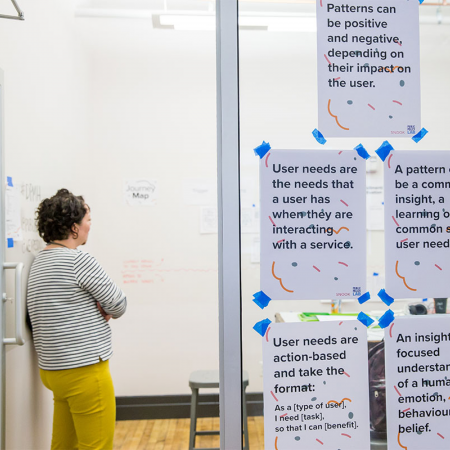
Creating a mental health service design pattern library with Snook and Lab@OPM.
Improving NYC Well’s service models with new user-centered tools.
Improving the VA health care enrollment process.
Exploring the impact of social inequality on health.
Designing the VA Veterans Experience Office and related onboarding tools.
Developing policy and design guidance for NYC’s digital future.
Developing human-centered solutions and recommendations to address childhood obesity.
Designing prototype programs to improve VA mental health services for veterans.
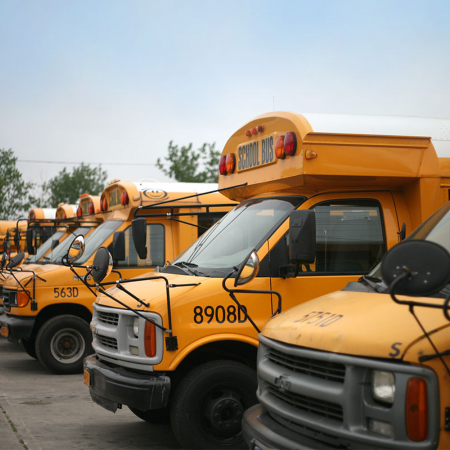
Improving busing services for NYC public school students with disabilities.
Helping the VA use human-centered design to understand veterans’ experiences.
Reducing jailing and improving outcomes for opioid users.
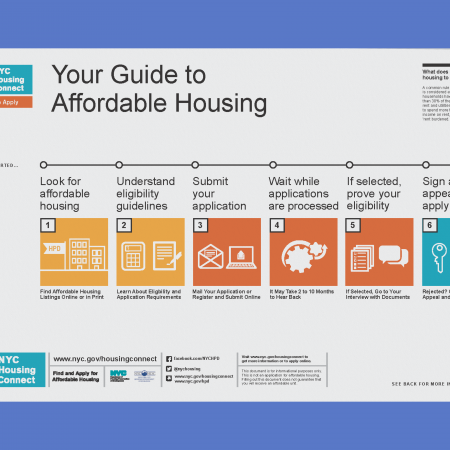
Helping New Yorkers navigate affordable housing applications.
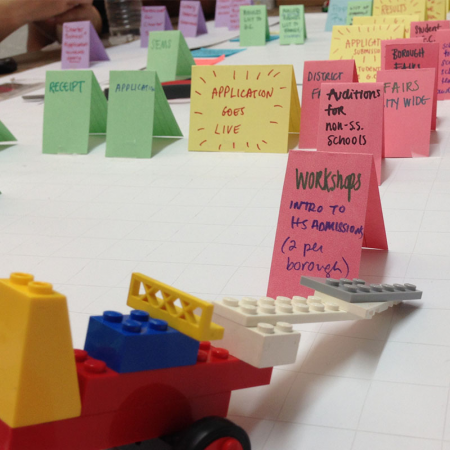
Proposing how to make applying to NYC high schools better for families.
Introducing human-centered design to CMS and redesigning the Medicare Summary Notice.
PPL is a tax-exempt 501(c)(3)
nonprofit organization.
info@publicpolicylab.org
+1 646 535 6535
20 Jay Street, Suite 203
Brooklyn, NY 11201
We'd love to hear more. Send us a note and we'll be in touch.
We are accepting applications for a Graduate Summer Intern until February 23, 2026.
We're currently seeking applications for a Graduate Summer Intern. If interested, learn more about the role here.
To hear about future job announcements, follow us on Instagram, Twitter, Threads, and LinkedIn or subscribe to our newsletter.
Enter your email below to subscribe to our occasional newsletter.
Wondering what you’ve missed?
Check out our
The Public Policy Lab is a tax-exempt
501(c)(3) nonprofit organization.
Donate now to support our work; your
gift is tax-deductible as allowed by law.